
This daily living rehabilitation aids selection guide explains how to choose practical equipment for safer routines, greater independence, and recovery at home. The right daily living rehabilitation aids should support the person’s abilities without replacing advice from a surgeon, physiotherapist, occupational therapist, nurse, or doctor.
How Daily Living Rehabilitation Aids Support Recovery
Recovering at home after surgery or managing a long-term condition is easier when daily activities, exercise, and health monitoring are planned around the person’s abilities. The right aid should improve safety and independence without replacing professional medical advice.
Over-Bed Tables
An over-bed table provides a stable, height-adjustable surface for meals, reading, medication, a phone, or a laptop when sitting or standing beside the bed is difficult. Choose a table with a secure locking mechanism, suitable clearance beneath the bed, a wipe-clean surface, and a suitable weight capacity.
Exercise Pedals and Daily Living Rehabilitation Aids
Bed or chair exercise pedals allow gentle, low-impact movement for the legs or arms while seated. They may support circulation, range of motion, and gradual conditioning during recovery, but they should only be used at an intensity approved by the care team. Start with short sessions and low resistance; stop for pain, dizziness, chest discomfort, unusual breathlessness, or worsening symptoms.
Bathroom Safety Frames
A bathroom safety frame or toilet support frame provides handholds and may make sitting down and standing up easier. Select a frame that fits the toilet and bathroom space, has stable feet or secure fixings, and supports the user’s weight. Keep the floor dry and uncluttered.
Blood Pressure Monitors for Daily Living Rehabilitation
A home blood pressure monitor helps track readings during recovery when monitoring has been recommended. An upper-arm monitor with the correct cuff size is generally preferable. Before measuring, rest quietly for five minutes, sit with the back supported and feet flat, keep the arm supported at heart level, and record readings as directed by the clinician.
Which Daily Living Rehabilitation Aids Are Appropriate?
- Over-bed table: For meals, activities, and personal items when bed or chair use is necessary.
- Exercise pedals: For gentle, supervised movement when the person can sit safely and has clearance to exercise.
- Bathroom safety frame: For extra support during toilet transfers.
- Blood pressure monitor: For a structured home record when monitoring has been recommended.
Daily Living Rehabilitation Aids Selection Checklist
- Confirm the person’s height, weight, balance, grip strength, vision, and cognition.
- Check dimensions, weight capacity, adjustability, and compatibility with the home layout.
- Prefer non-slip feet, secure locks, easy-clean materials, and simple controls.
- Inspect equipment regularly for cracks, loose parts, worn feet, damaged cables, or inaccurate readings.
- Ask a qualified professional to assess the home after a fall, new weakness, increasing pain, or difficulty with transfers.
Recommended Blood Pressure Monitor Products
These currently available products are relevant to the guide’s home health-monitoring section:
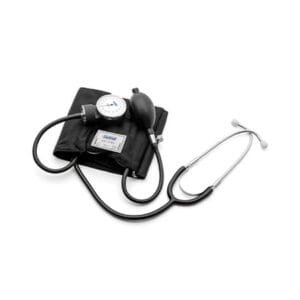
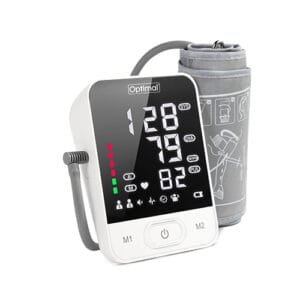
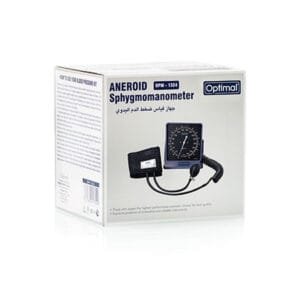
Important: Follow the care team’s instructions and each product’s manufacturer guidance. Do not change medication, exercise intensity, or post-surgery restrictions based only on a device reading.