
This home care patient transfer safety guide explains how to help someone move safely at home using planning, clear communication, and suitable equipment. Transfer boards, patient lifters, bedside commodes, shower chairs, and wheelchairs can support mobility-impaired people while reducing caregiver strain. Always follow the manufacturer’s instructions and the person’s care plan.
Home Care Patient Transfer Safety: Plan Before Every Transfer
- Clear rugs, cords, clutter, and other trip hazards.
- Lock wheelchair and bed brakes and bring the destination close.
- Explain each step and agree on a signal to begin.
- Check alertness, pain, dizziness, weakness, and weight-bearing ability.
- Use two caregivers when required by the care plan or equipment instructions.
- Never pull on the person’s arms or attempt to lift more than you can safely control.
Transfer Boards
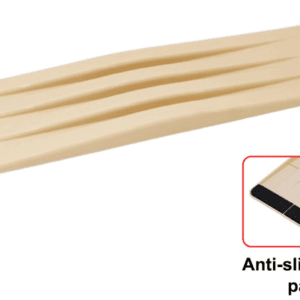
Transfer boards are intended for people who can sit upright, follow instructions, and assist with a controlled slide. Position the wheelchair close to the bed or chair, lock the brakes, place the board securely across both surfaces, and move in small, controlled steps. Do not use a board across a large gap, on an unstable surface, or beyond its weight rating.
Patient Lifters and Hoists
Use only a compatible sling in the correct size and inspect the sling, loops, clips, spreader bar, casters, battery, and emergency-lowering system before use. Confirm the safe working load, secure every attachment, move slowly, and never leave a suspended person unattended. Do not use damaged or unlabeled slings.
Bedside Commodes
Place the commode on a level surface near the bed, set a suitable seat height, secure the legs or lock the wheels, and keep the route clear and well lit. Do not use a commode as a shower chair unless the manufacturer specifically approves that use.
Shower Chairs
Choose a chair with a suitable weight capacity, stable feet, drainage openings, and a height that supports safe transfers. Ensure all legs are level on a clean, non-slip surface, keep supplies within reach, test the water temperature, and use correctly installed grab bars. Never leave a person alone if supervision is needed.
Protecting the Caregiver During Patient Transfers
Work close to the person, keep your back neutral, bend through your hips and knees, and turn with your feet instead of twisting. Adjust the bed height, wear supportive non-slip footwear, take breaks, and ask for help with difficult transfers. Mechanical equipment is preferable to manual lifting when appropriate.
Choosing Equipment for Home Care Patient Transfer Safety
- Transfer board: For a person who can sit upright and assist with a controlled slide.
- Patient lifter: For a person who needs substantial assistance or cannot safely bear weight, after proper training.
- Bedside commode: For a person who cannot safely reach the bathroom.
- Shower chair: For a person who cannot stand safely for the full shower.
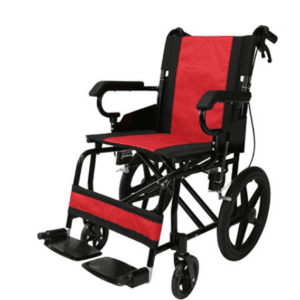
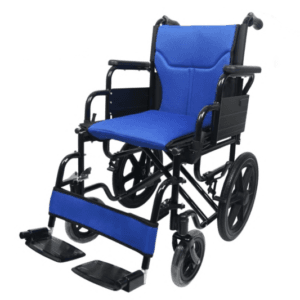
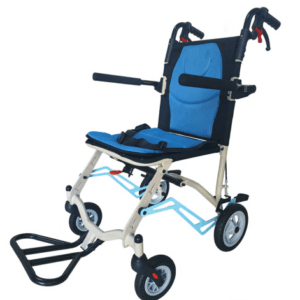
- Transit wheelchair: For caregiver-assisted movement over suitable, accessible routes.
Consider height, weight, balance, cognition, skin condition, transfer ability, home layout, and equipment compatibility. Ask a physiotherapist, occupational therapist, nurse, or other qualified professional for an assessment if transfers are becoming harder, the person has fallen, or there is new weakness, dizziness, pain, or skin damage.
Transfer Board Products
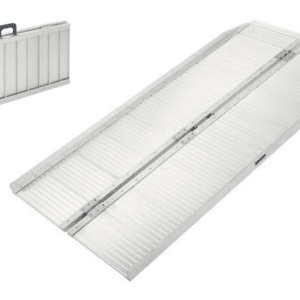
Browse available transfer boards and related mobility products:
Transit Wheelchair Products
Transit wheelchairs can support caregiver-assisted mobility when the person cannot walk safely over longer distances:
Daily Home Care Patient Transfer Safety Checklist
- Inspect equipment for cracks, loose parts, worn straps, damaged wheels, and missing components.
- Check brakes, locks, fasteners, and height adjustments before use.
- Keep floors dry and pathways clear.
- Follow cleaning, charging, maintenance, and storage instructions.
- Seek urgent medical help after a serious fall, suspected fracture, head injury, severe pain, loss of consciousness, or breathing difficulty.