
Choosing the right hospital bed is an important decision for patients, caregivers, clinics and healthcare facilities. The ideal bed should support safe positioning, comfortable rest and efficient daily care. This hospital beds guide explains the main types, features, and safety considerations to review before choosing. This guide groups our hospital beds by the number of adjustable functions so you can compare options more easily and identify a suitable solution for home care, nursing environments or clinical use.
Before choosing a bed, consider the patient’s mobility, the level of assistance required, the available room space and whether the bed will be used temporarily or for long-term care. Always review the full product specifications and consult a qualified healthcare professional when a patient has specific medical or mobility needs.
2-Function Beds
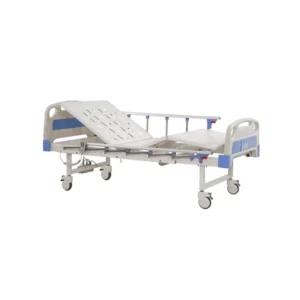
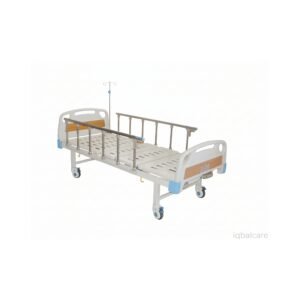
Two-function beds provide practical adjustment for essential patient positioning. These hospital beds are suitable when basic positioning and straightforward operation are the main priorities. Manual models offer simple controls, while electric models can make routine adjustments easier for caregivers.
- Sale!
 BEDS
2 Function Electric Medical Bed | Adjustable Patient Care Bed
Original price was: $625.0.$550.0Current price is: $550.0. Add to cart - Sale!BEDS
2 Function Manual Medical Bed | Adjustable Patient Care Bed
Original price was: $499.0.$445.0Current price is: $445.0. Add to cart
3-Function Electric Beds
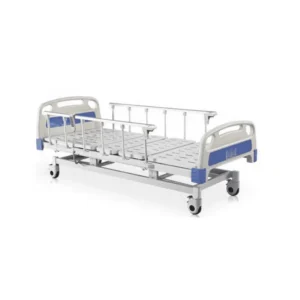
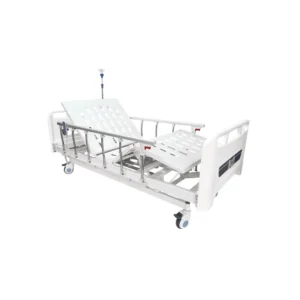
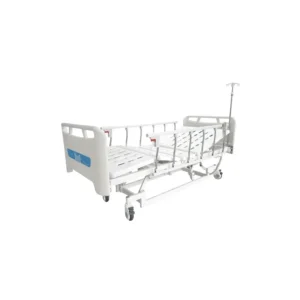
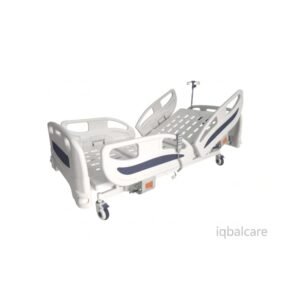
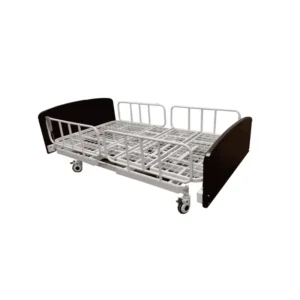
Three-function electric beds offer additional positioning flexibility for patient comfort and everyday care. These hospital beds provide additional flexibility for patient comfort and daily care. Electric controls can help caregivers adjust the bed more conveniently, while features such as side rails, castors and brakes should be checked carefully before purchase.
- Sale!
- Sale!BEDS
ALBRO 3-Function Electric Hospital Bed
Original price was: $812.0.$715.0Current price is: $715.0. Add to cart - Sale!BEDS
3-Function Electric Bed (Super Low)
Original price was: $812.0.$715.0Current price is: $715.0. Add to cart - Sale!BEDS
ALBRO 3-Function Electric Bed (4 PP Boards)
Original price was: $1,125.0.$990.0Current price is: $990.0. Add to cart - Sale!BEDS
ALBRO 3-Function Medical Electric Bed
Original price was: $1,325.0.$1,166.0Current price is: $1,166.0. Add to cart
5-Function Beds
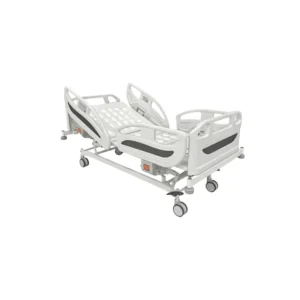
Five-function beds provide advanced positioning options for patients who need more flexible support. These beds may be appropriate for intensive-care environments or situations where caregivers need greater control over the patient’s position and access to the bed.
- Sale!BEDS
ALBRO 5 Function ICU Electric Bed
Original price was: $1,685.0.$1,432.3Current price is: $1,432.3. Add to cart - Sale!BEDS
ALBRO 5-Function Home Care Nursing Bed
Original price was: $1,312.0.$1,155.2Current price is: $1,155.2. Add to cart
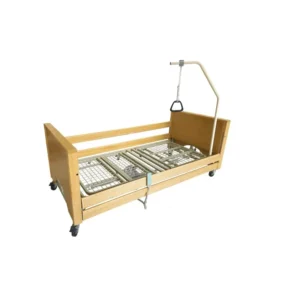
Specialised and Home-Care Beds
Specialised hospital beds are designed for particular care environments, including intensive care, nursing care and home-care use. When comparing hospital beds for home care or clinical use, review the frame, mattress compatibility, safe working load, and height range. Also consider mobility features and ease of cleaning.
- Sale!BEDS
ALBRO 5 Function ICU Electric Bed
Original price was: $1,685.0.$1,432.3Current price is: $1,432.3. Add to cart - Sale!BEDS
ALBRO 5-Function Home Care Nursing Bed
Original price was: $1,312.0.$1,155.2Current price is: $1,155.2. Add to cart - Sale!BEDS
ALBRO Home Care Turning Bed
Original price was: $2,500.0.$2,125.0Current price is: $2,125.0. Add to cart
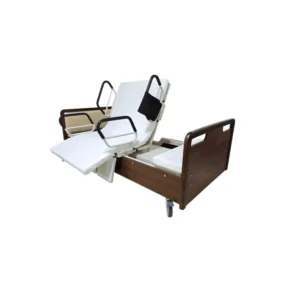
How to Choose Hospital Beds for Different Care Needs
How to choose the right hospital bed
- Number of functions: Select the adjustment range that matches the patient’s care and positioning needs.
- Electric or manual operation: Electric controls may simplify repositioning, while manual beds can provide straightforward operation.
- Safety and mobility: Check the side rails, castors, brakes, frame stability and safe working load.
- Care environment: Consider whether the bed is intended for a home, clinic, nursing facility or intensive-care setting.
- Room and access requirements: Measure doorways and available space, and confirm that caregivers can work safely around the bed.
- Maintenance and support: Review cleaning requirements, warranty information and the availability of replacement parts.
Final considerations
A hospital bed should support both patient comfort and caregiver safety. Compare the available functions with the patient’s daily needs rather than choosing only by appearance or price. Review each product page for detailed specifications, and seek professional advice to make sure the selected bed is appropriate for the patient and care setting.