This baby care and feeding ergonomics guide explains how to choose and use baby-care products to support safe positioning, comfortable feeding, and practical daily care. The right high chair, mattress, and pediatric care equipment can reduce unnecessary strain on parents and caregivers while supporting the child’s stage of development. Always follow the manufacturer’s instructions and consult a pediatrician or qualified healthcare professional when your child has specific medical, developmental, or postural needs.
What Does Baby Care and Feeding Ergonomics Mean?
Baby care and feeding ergonomics means choosing and using products in ways that support safe posture, comfortable movement, and practical caregiving. For infants and toddlers, this includes stable support for the head, neck, back, hips, and feet. For parents, it includes reducing awkward bending, twisting, lifting, and reaching during feeding, changing, carrying, and settling.
Choosing a Safe High Chair for Baby Care and Feeding Ergonomics
A high chair should keep a child securely seated while allowing a caregiver to feed without leaning or twisting excessively. Look for a stable base, a properly fitted restraint system, upright back support, an adjustable footrest, a secure tray, and easy-to-clean surfaces. Use the supplied harness every time, never leave a child unattended, never place the chair on a table or raised surface, and do not allow the child to stand in it.
Baby Care and Feeding Ergonomics for Infants and Toddlers
Position the child upright and well supported, keep the face and chest clear so breathing can be observed, use age-appropriate food textures, and supervise every meal. Bring the child or feeding surface closer instead of leaning forward for long periods. For swallowing difficulties, reflux, developmental concerns, or poor head and trunk control, ask a pediatrician or feeding specialist for individualized advice.
Baby Mattresses and Sleep Positioning
For sleep, choose a firm, flat mattress that fits the approved cot, crib, or bassinet without gaps. Use a fitted sheet designed for that sleep surface and follow the manufacturer’s compatibility and weight guidance.
- Place babies on their backs for every sleep unless a healthcare professional gives different instructions.
- Keep the sleep surface clear of pillows, loose blankets, wedges, positioners, toys, and other soft items.
- Do not use soft or sagging mattresses, overlays, or improvised padding.
- Check the mattress regularly for damage, moisture, compression, or gaps.
Changing Tables and Pediatric Care Gear
Choose a stable surface with raised sides where appropriate, a secure safety strap, and enough space to keep supplies within easy reach. Keep one hand on the child whenever they are on a raised surface, prepare supplies beforehand, and never leave a child unattended.
Carrying, Lifting, and Baby Care Ergonomics
Keep the child close to your body, bend through your knees and hips, avoid twisting while lifting, and turn with your feet. When using a baby carrier, keep the child’s face visible, the airway clear, and the hips and legs supported according to the instructions.
Product Safety Checklist for Baby Care and Feeding
- Confirm suitability for the child’s age, size, weight, and developmental stage.
- Read assembly, use, cleaning, and inspection instructions.
- Check restraints, buckles, hinges, wheels, straps, and fasteners regularly.
- Do not use products with missing parts, sharp edges, cracks, unstable bases, or damaged padding.
- Do not modify safety equipment or add unapproved cushions, straps, pillows, or accessories.
Baby Care Products
Browse all currently available products in the Baby Care category, excluding adult pull-up diapers. Product listings update automatically as products are added to the store.
Showing all 103 resultsSorted by popularity
-
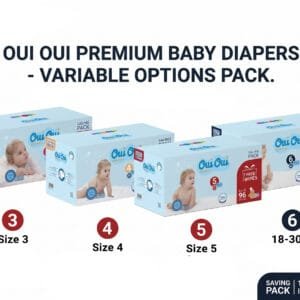
Oui Oui Premium Baby Diapers – Saving Pack (Includes 1 Free Pack of Wipes)
Price range: $23.1 through $25.6 Select options This product has multiple variants. The options may be chosen on the product page -
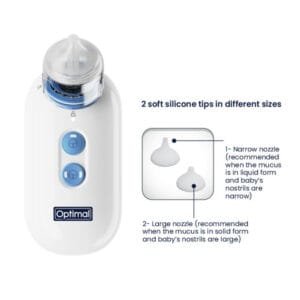
Electric Nasal Aspirator – Gentle Baby Nasal Cleanser
$40.0 Add to cart -
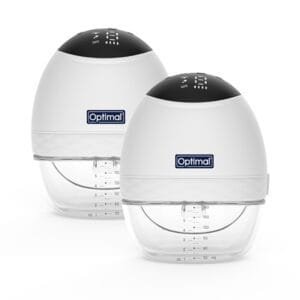
Double Wearable Electric Breast Pump with Multiple Flange Sizes & Carrying Bag
$180.0 Add to cart -
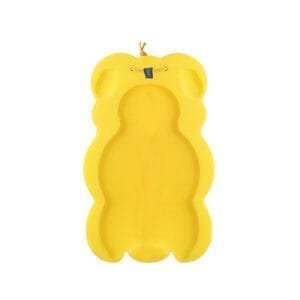
Optimal Baby Bath Cushion Sponge for Non-Slip Newborn Support
$10.0 Select options This product has multiple variants. The options may be chosen on the product page -
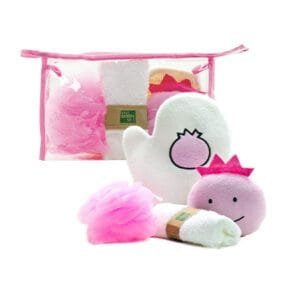
4-Piece Kids’ Travel-Friendly Bath Set with Scrubber, Sponge, and Towel
$7.0 Select options This product has multiple variants. The options may be chosen on the product page -
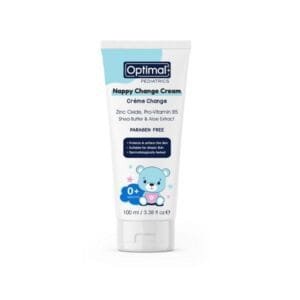
Optimal Nappy Rash Cream (100ml)
$5.0 Add to cart -
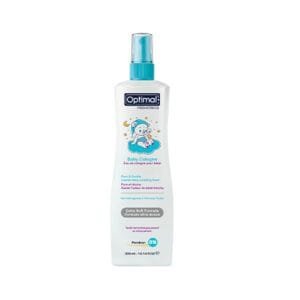
Optimal Baby Cologne (300ml) – Refreshing Citrus Scent for Infants
$5.0 Add to cart -
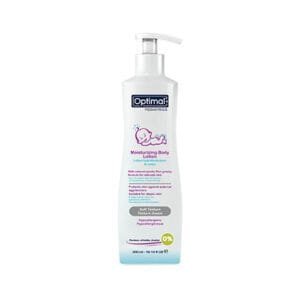
Optimal Baby Body Lotion (300ml)
$5.5 Add to cart -
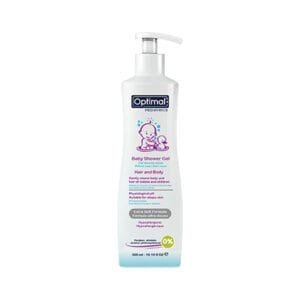
Optimal Baby Shower Gel (300ml)
$5.5 Add to cart -
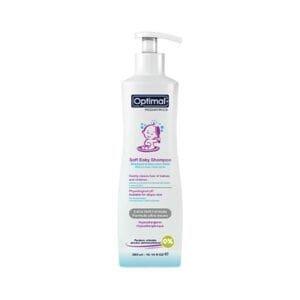
Optimal Baby Shampoo (300ml)
$5.5 Add to cart -
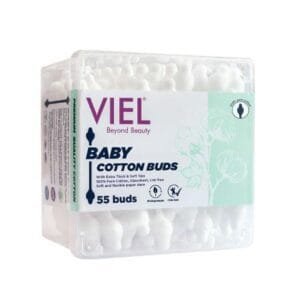
Optimal Baby Cotton Buds (55 Pcs)
$1.5 Add to cart -
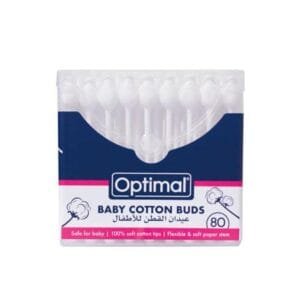
Optimal Baby Cotton Buds (80 Pcs)
$2.3 Add to cart -
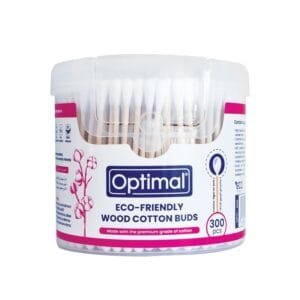
Optimal Eco-Friendly Wood Cotton Buds (300 Pcs)
$2.3 Add to cart -
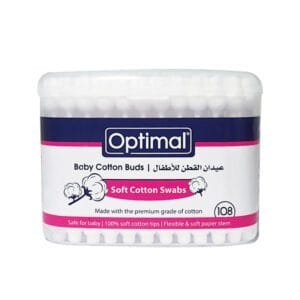
Optimal Baby Cotton Buds (108 Pcs)
$2.5 Add to cart -
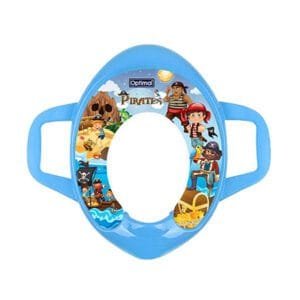
Potty Training Seat
$9.0 Select options This product has multiple variants. The options may be chosen on the product page -
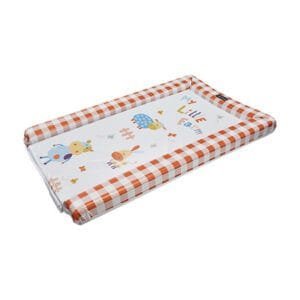
Extra Soft Organic Cotton Baby Changing Mat with Three-Sided Shield
$16.0 Select options This product has multiple variants. The options may be chosen on the product page -
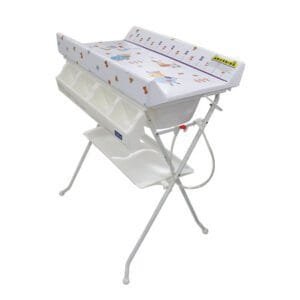
Ultimate All-in-One Baby Bath and Changing Table Station
$110.0 Select options This product has multiple variants. The options may be chosen on the product page -
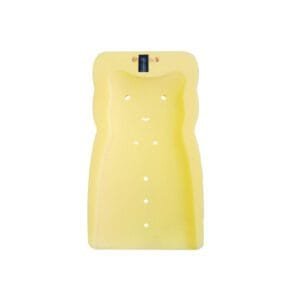
Soft and Slip-Resistant Baby Bath Cushion Sponge for Newborns
$10.0 Select options This product has multiple variants. The options may be chosen on the product page -
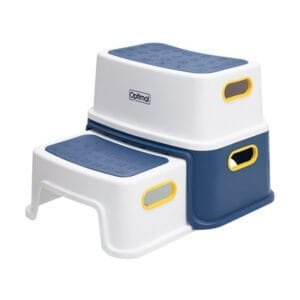
Two-Step Kids Step Stool with Non-Slip Base and Anti-Slip Surface
$18.0 Select options This product has multiple variants. The options may be chosen on the product page -
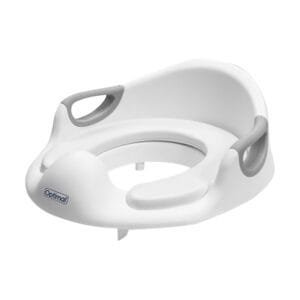
Baby Potty Training Seat with Soft Cushion and Handle
$18.0 Select options This product has multiple variants. The options may be chosen on the product page -
Optimal Baby Grooming Set and Infant Healthcare Kit
$30.0 Select options This product has multiple variants. The options may be chosen on the product page -
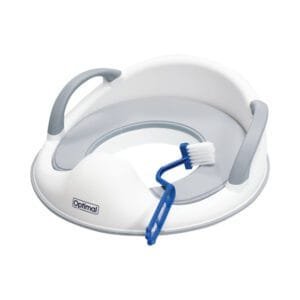
Baby Potty Training Seat with Soft Cushion and Handle
$14.0 Select options This product has multiple variants. The options may be chosen on the product page -
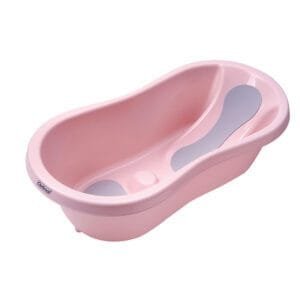
Optimal Baby Bathtub with Anti-Slip Recline Pad
$35.0 Select options This product has multiple variants. The options may be chosen on the product page -
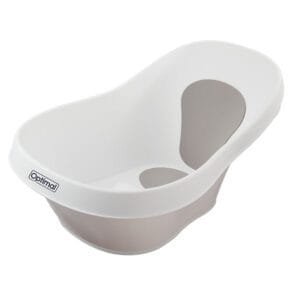
Compact Baby Bathtub with Anti-Slip EVA Pads and Back Support
$30.0 Select options This product has multiple variants. The options may be chosen on the product page -
Optimal Baby Wipes Pack of 3 (72 Pcs)
$5.0 Add to cart -
Optimal Baby Wipes Pack of 3 (72 Pcs)
$5.0 Add to cart -
Optimal Baby Wipes (72 Pcs)
$1.7 Add to cart -
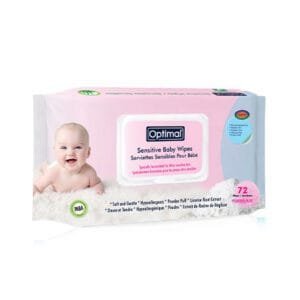
Optimal Baby Wipes with Plastic Lid (72 Pcs)
$2.0 Add to cart -
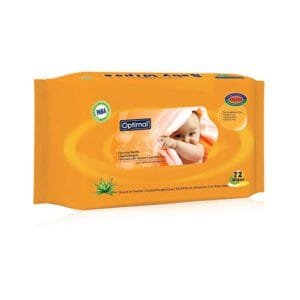
Optimal Baby Wipes (72 Pcs)
$1.7 Add to cart -
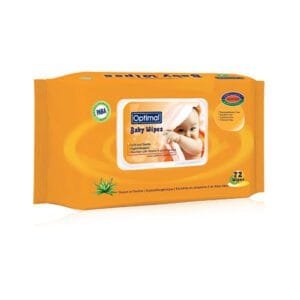
Optimal Baby Wipes with Plastic Lid (72 Pcs)
$2.0 Add to cart -
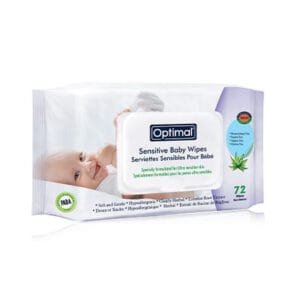
Optimal Baby Wipes with Plastic Lid (72 Pcs)
$2.0 Add to cart -
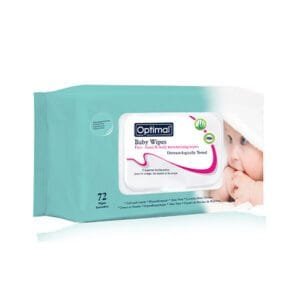
Optimal Organic Baby Wipes with Plastic Lid (72 Pcs)
$2.0 Add to cart -

Sensitive Baby Wipes (Pack of 3)
$4.5 Add to cart -
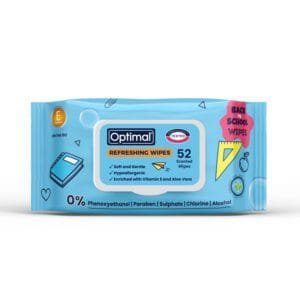
Optimal Kids Refreshing Wipes
$1.5 Add to cart -
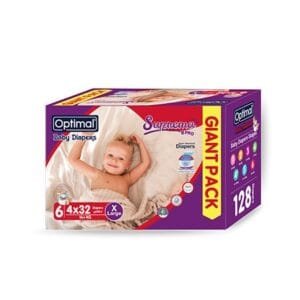
Giant Pack Baby Diapers Size 6 (16+ Kg, 128 Pcs) X-Large
$36.0 Add to cart -
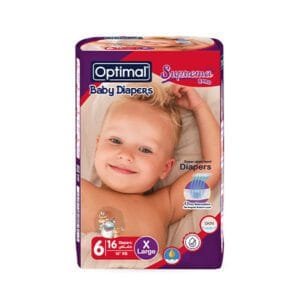
Baby Diapers Size 6 (16+ Kg, 32 Pcs) X-Large
$9.0 Add to cart -
Baby Diapers Size 6 (16+ Kg, 16 Pcs) X-Large
$4.5 Add to cart -
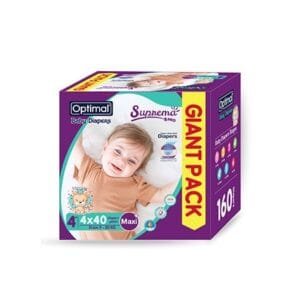
Giant Pack Baby Diapers Size 4+ (9-20 Kg, 160 Pcs) Maxi Plus
$32.0 Add to cart -
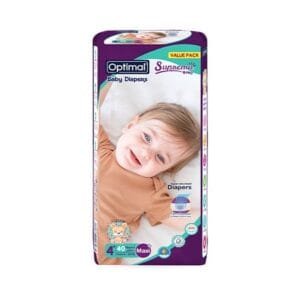
Baby Diapers Size 4+ (9-20 Kg, 40 Pcs) Maxi Plus
$8.0 Add to cart -
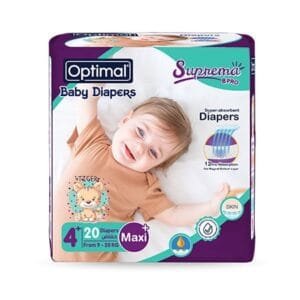
Baby Diapers Size 4+ (9-20 Kg, 20 Pcs) Maxi Plus
$4.0 Add to cart -
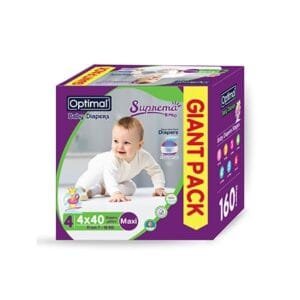
Giant Pack Baby Diapers Size 4 (7-18 Kg, 160 Pcs) Maxi
$32.0 Add to cart -
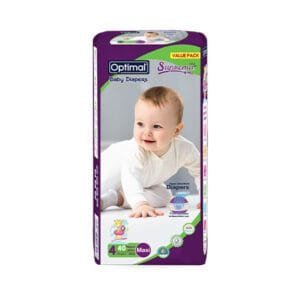
Baby Diapers Size 4 (7-18 Kg, 40 Pcs) Maxi
$8.0 Add to cart -
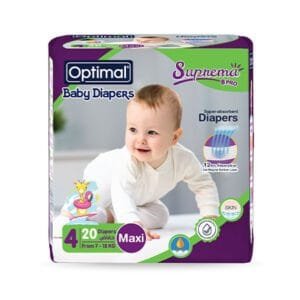
Baby Diapers Size 4 (7-18 Kg, 20 Pcs) Maxi
$4.0 Add to cart -
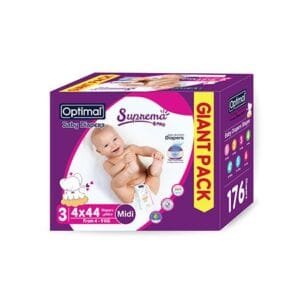
Giant Pack Baby Diapers Size 3 (4-9 Kg, 176 Pcs) Medi
$32.0 Add to cart -
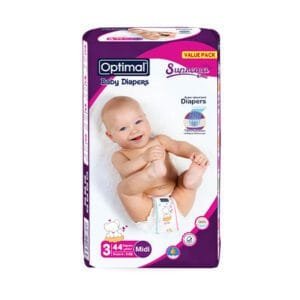
Baby Diapers Size 3 (4-9 Kg, 44 Pcs) Midi
$8.0 Add to cart -
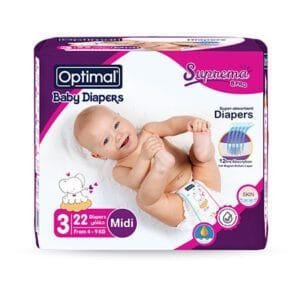
Baby Diapers Size 3 (4-9 Kg, 22 Pcs) Midi
$4.0 Add to cart -
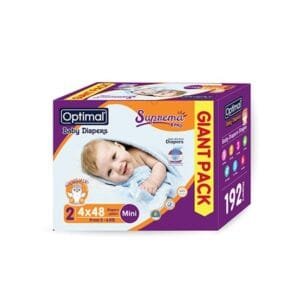
Giant Pack Baby Diapers Size 2 (3-6 Kg, 192 Pcs) Mini
$32.0 Add to cart -
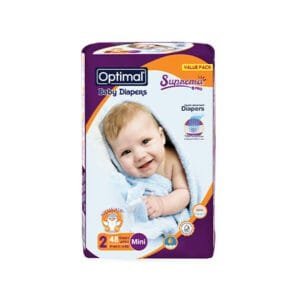
Baby Diapers Size 2 (3-6 Kg, 48 Pcs) Mini
$8.0 Add to cart -
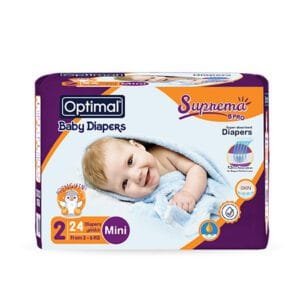
Baby Diapers Size 2 (3-6 Kg, 24 Pcs) Mini
$4.0 Add to cart -
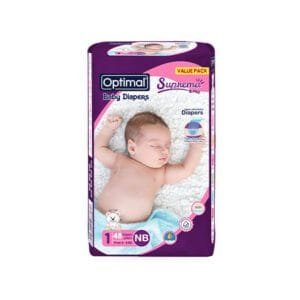
Baby Diapers Size 1 (2-5 Kg, 48 Pcs) Newborn
$6.0 Add to cart -
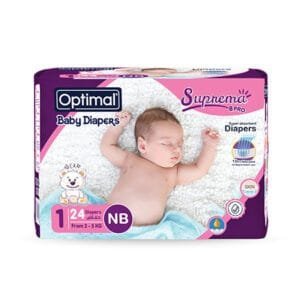
Baby Diapers Size 1 (2-5 Kg, 24 Pcs) Newborn
$3.0 Add to cart -
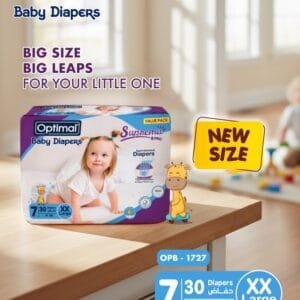
Baby Diapers Size 7 (19+ Kg, 30 Pcs) XX-Large
$9.0 Add to cart -
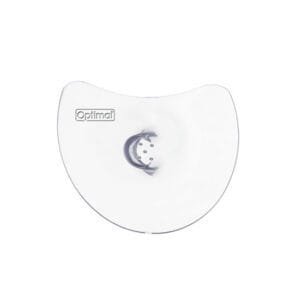
Optimal Women Nipple Shield Small (12 mm)
$4.5 Add to cart -
Optimal Women Nipple Shield Medium (14 mm)
$4.5 Add to cart -
Optimal Women Nipple Shield Large (16 mm)
$4.5 Add to cart -
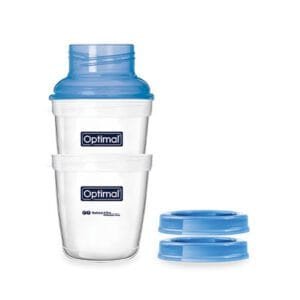
Optimal Wide Neck Food & Milk Storage Cups
$4.0 Add to cart -
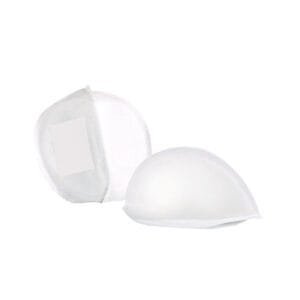
Optimal Breast Pads (30 Pcs)
$4.5 Add to cart -
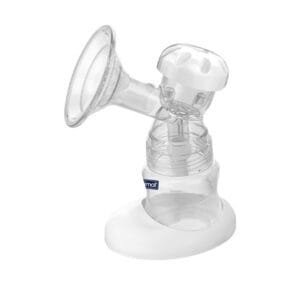
Optimal Breast Pump Kit (27 mm)
$20.0 Add to cart -
Optimal Breast Pump Kit (24 mm)
$20.0 Add to cart -
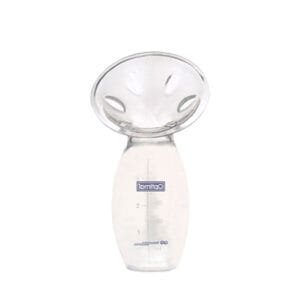
Manual Silicone Breast Pump with Squeezable Design for Milk Flow
$6.0 Add to cart -
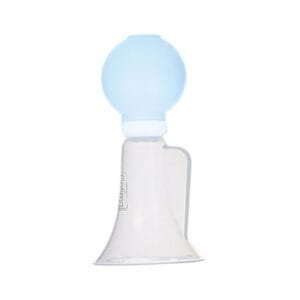
Manual Breast Reliever for Engorged Breasts with One-Hand Operation
$4.5 Select options This product has multiple variants. The options may be chosen on the product page -
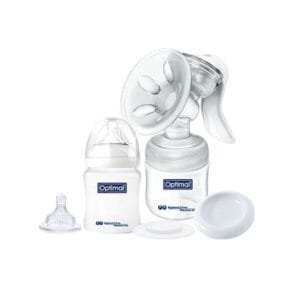
Manual Breast Pump Value Set with Feeding Bottle and Storage Accessories
$20.0 Add to cart -
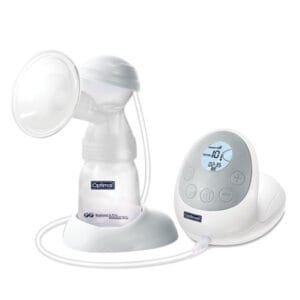
Single Electric Breast Pump with Anti-Backflow and USB Rechargeable Design
$80.0 Add to cart -
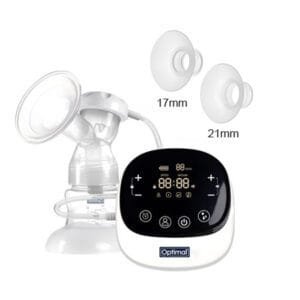
Single Electric Breast Pump Touch Screen with Memory and Child Lock
$100.0 Add to cart -
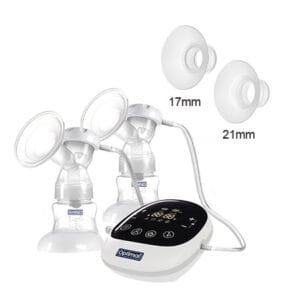
Double Electric Breast Pump Touch Screen with 3-Phase and Memory Function
$130.0 Add to cart -
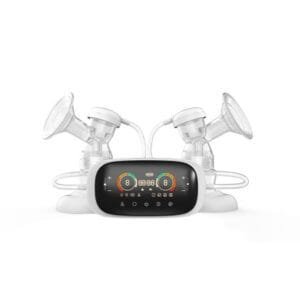
Double-Motor Electric Breast Pump
$180.0 Add to cart -
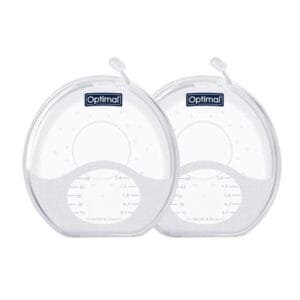
Optimal Silicone Breast Milk Collector
$15.0 Add to cart -
Optimal Pregnancy Wedge Pillow
$25.0 Add to cart -
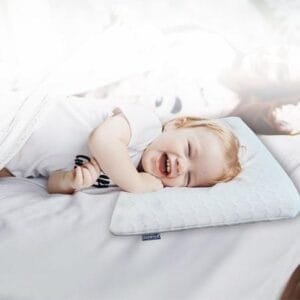
Optimal Breathable Kids Pillow
$20.0 Add to cart -
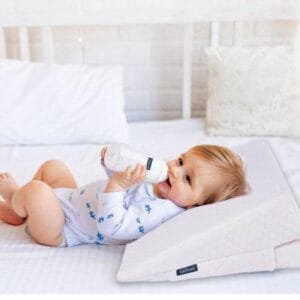
Optimal 3-in-1 Baby Crib Wedge Pillow
$30.0 Add to cart -
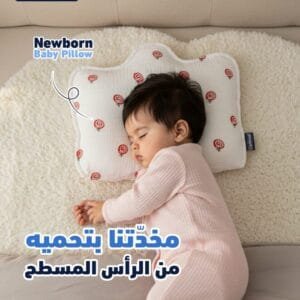
Optimal Newborn Baby Pillow
$15.0 Select options This product has multiple variants. The options may be chosen on the product page -
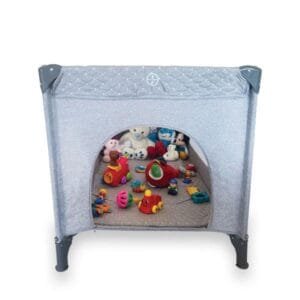
Optimal Baby Playpen (76 × 125 cm)
$110.0 Select options This product has multiple variants. The options may be chosen on the product page -
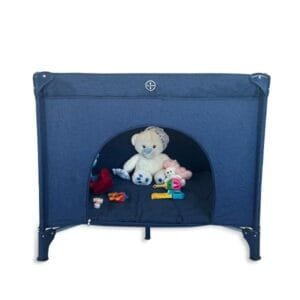
Optimal Baby Playpen (93 × 93 cm)
$99.0 Select options This product has multiple variants. The options may be chosen on the product page -
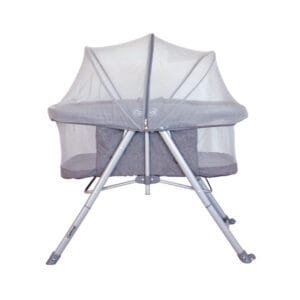
Optimal Rocking Baby Crib
$110.0 Add to cart -
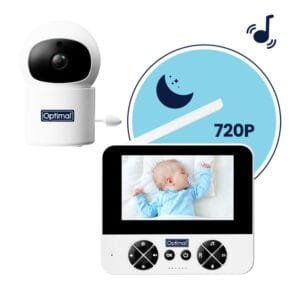
Optimal Video Baby Monitor
$150.0 Add to cart -
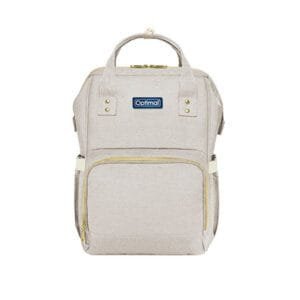
Waterproof Mom and Baby Backpack with Multiple Compartments for Travel
$30.0 Select options This product has multiple variants. The options may be chosen on the product page -
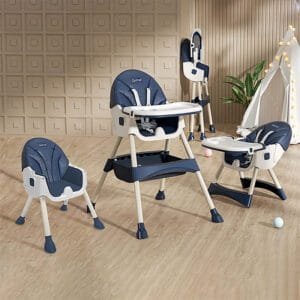
2-In-1 Foldable Baby High Chair and Low Chair with Adjustable Backrest
$75.0 Select options This product has multiple variants. The options may be chosen on the product page -
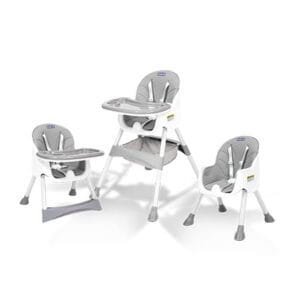
Baby High Chair
$60.0 Select options This product has multiple variants. The options may be chosen on the product page -
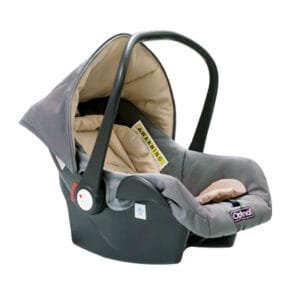
Portable 2-In-1 Baby Car Seat and Carrier for Infants Up to 13 Kgs
$110.0 Add to cart -
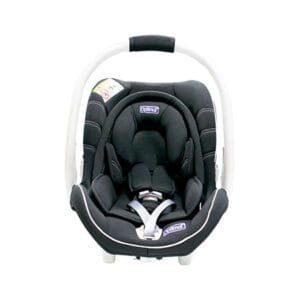
Portable 2-In-1 Baby Car Seat and Carrier for Infants Up to 13 Kgs
$130.0 Select options This product has multiple variants. The options may be chosen on the product page -
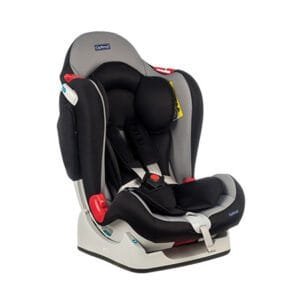
Portable Baby Car Seat for Infants and Toddlers Up to 25 Kgs
$170.0 Select options This product has multiple variants. The options may be chosen on the product page -
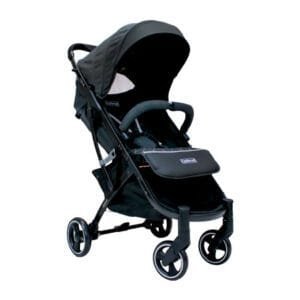
Lightweight One-Hand Fold Baby Stroller with Large Shopping Basket
$190.0 Select options This product has multiple variants. The options may be chosen on the product page -
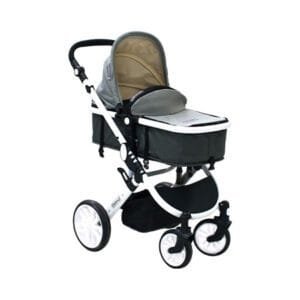
2-In-1 Newborn Basket Stroller and Convertible Seat with Shopping Basket
$275.0 Add to cart -
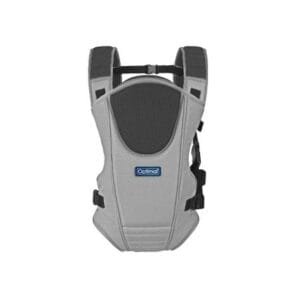
3-In-1 Breathable Baby Carrier with Head Support Up to 15 Kg
$45.0 Select options This product has multiple variants. The options may be chosen on the product page -
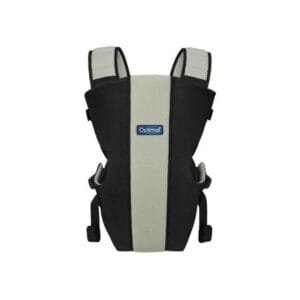
3-In-1 Breathable Baby Carrier with Head Support Buckle Up to 12 Kg
$40.0 Select options This product has multiple variants. The options may be chosen on the product page -
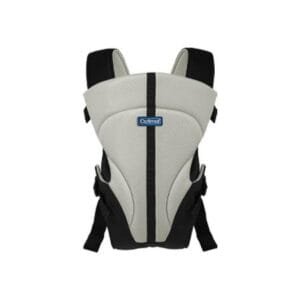
3-In-1 Breathable Baby Carrier with Adjustable Head Support Up to 12 Kg
$30.0 Select options This product has multiple variants. The options may be chosen on the product page -
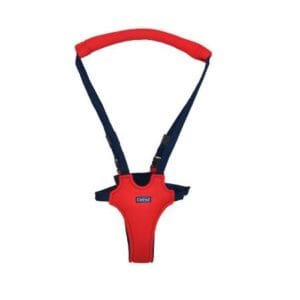
Adjustable Baby Walking Safety Harness for Toddlers Up to 13 Kg
$15.0 Select options This product has multiple variants. The options may be chosen on the product page -
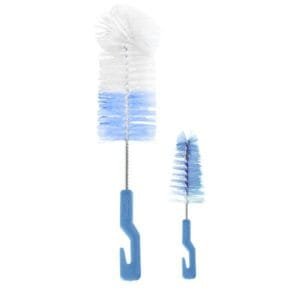
Bottle and Nipple Brush Set
$4.5 Select options This product has multiple variants. The options may be chosen on the product page -
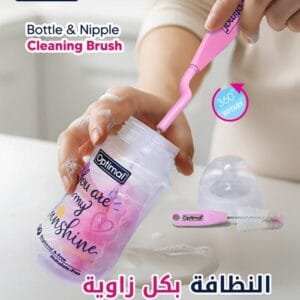
Rotary Bottle and Nipple Brush Set
$5.5 Select options This product has multiple variants. The options may be chosen on the product page -
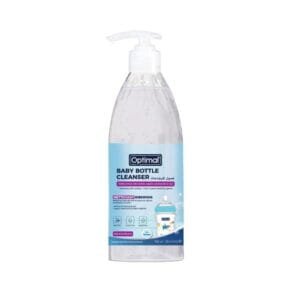
Baby Bottle Cleanser detergent
$6.0 Add to cart -
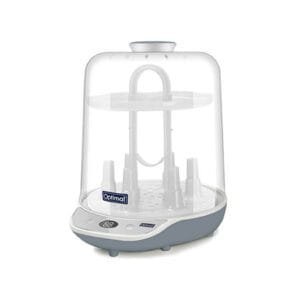
Digital Steam Sterilizer (6 Bottles)
$60.0 Add to cart -
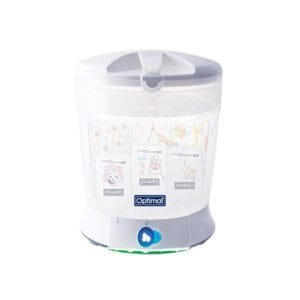
Digital Steam Sterilizer (7 Bottles)
$60.0 Add to cart -
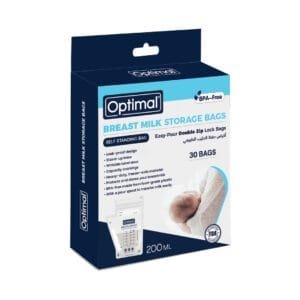
Optimal Breast Milk Storage Bags (30 Pcs)
$8.0 Add to cart -
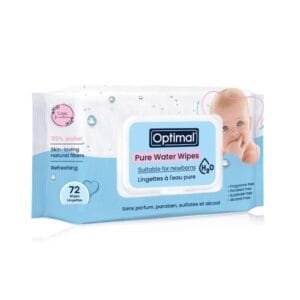
Optimal Pure Water Baby Wipes (72 Pcs)
$2.8 Add to cart -
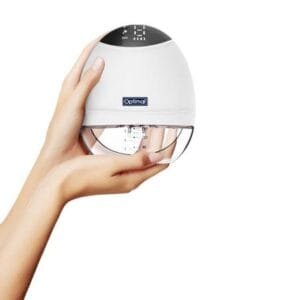
Wearable Electric Breast Pump with Multiple Flange Sizes
$95.0 Add to cart -
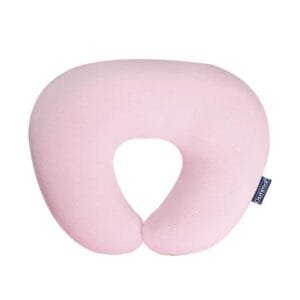
Optimal Nursing Pillow
$35.0 Select options This product has multiple variants. The options may be chosen on the product page -
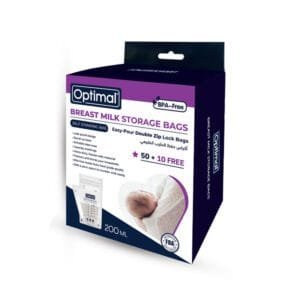
Optimal Breast Milk Storage Bags (60 Pcs – 50 + 10 Free)
$14.0 Add to cart -
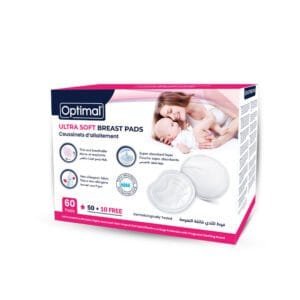
Optimal Disposable Breast Pads (60 Pcs – 50 + 10 Free)
$7.8 Add to cart -
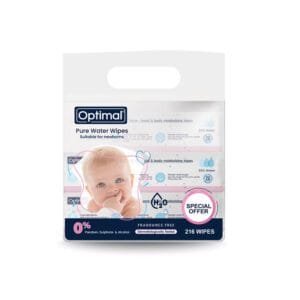
Optimal Pure Water Baby Wipes (3-Pack – 216 Total Wipes)
$7.8 Add to cart -
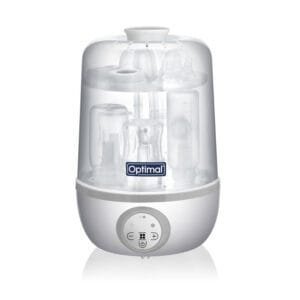
Digital Steam Sterilizer and Dryer (6 Bottles)
$85.0 Add to cart -
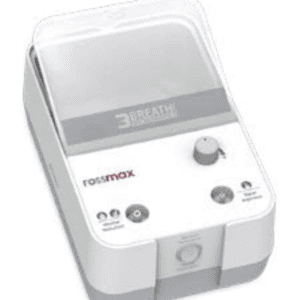
Rossmax 3-in-1 Compressor Nebulizer, Nasal Washer & Aspirator
$120.0 Add to cart -
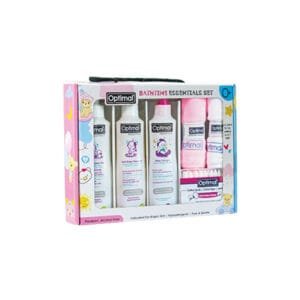
All-in-One Baby Bath Set with Shampoo, Shower Gel, and Towels
$20.0 Select options This product has multiple variants. The options may be chosen on the product page -
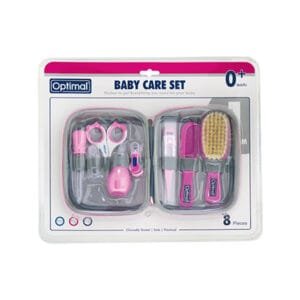
Complete Baby Care Sets & Grooming Kits
$20.0 Add to cart
Quick Buying Guide for Baby Care and Feeding Ergonomics
- High chair: Choose stability, a secure harness, upright support, foot support, and easy cleaning.
- Baby mattress: Choose a firm, flat, correctly fitting sleep surface and follow safe-sleep guidance.
- Changing equipment: Choose a stable, suitable-height surface with safety features and keep supplies close.
- Carriers: Choose age-appropriate support that keeps the child’s airway clear and reduces strain for the caregiver.
When to Ask for Professional Advice
Seek professional guidance if your child has difficulty maintaining head or trunk control, persistent feeding discomfort, coughing or choking during meals, unusual stiffness or weakness, a diagnosed condition affecting posture, or difficulty sleeping safely.